
Iowa’s electricity needs are expected to rise by 30 to 60 percent in the next 20 years, and a new report finds the state might be able to meet the demand and achieve 100-percent carbon-free electricity with renewable energy.
Steve Guyer, senior energy policy counsel for the Iowa Environmental Council, says the Trump administration has severely shortened the timeline for wind and solar tax credits. Construction on large-scale projects needs to start before July to qualify.
“It’s very possible that as we look at this rapid increase in demand, they may be viable, even without those tax credits,” Guyer says, “but crystal-balling this, it’s sort of hard to tell what impact will really occur.”
Guyer says the operating costs for wind and solar are cheaper than coal and natural gas, even without subsidies, but tariffs on steel and other materials are already impacting prices.
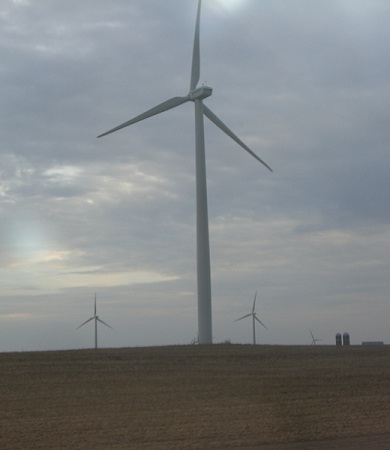
He says renewable energy from wind and solar rose to 67 percent last year in Iowa, but import taxes on materials, including a 50-percent tariff on steel, could dampen future growth.
“A wind turbine is almost all steel. And it’d be nice, sure, if all that steel was available here in the U.S., but it’s not,” Guyer says, “so, as that steel is imported, that’s certainly going to increase the cost of building that turbine.”
According to the Iowa Environmental Council’s latest “Condition of the State” report, the projected boost in demand for power in Iowa is due in part to the needs of computer data centers or server farms.